
Buying Guides
Pillow Buying Guide: Best Pillows for Neck and Back Pain
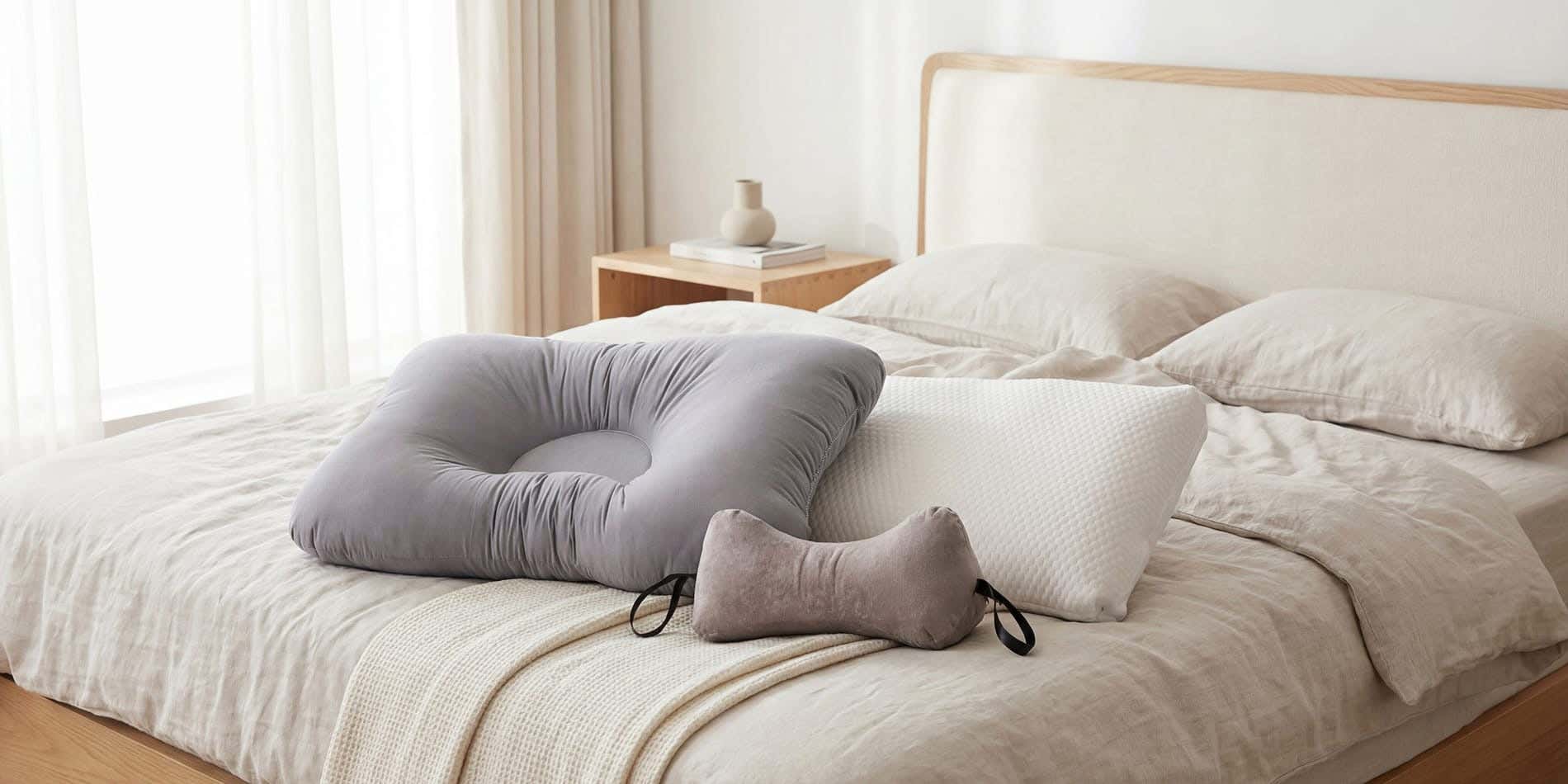
Studies conducted from the 1980s to the 2000s by medical professionals found that 60% to 80% of adults experienced back pain. Of those, 20% to 70% reported experiencing neck pain, which was disruptive for some. At any given point, they estimated that up to 20% of adults are experiencing back or neck pain. When neck or back pain is so disruptive that it hinders your sleep, it is serious. The good news is that the proper pillow can help you sleep better. Models that help you sleep according to your favorite sleeping position, material and shape are available.
Best Pillows for Neck and Back Pain
-
ScripHessco NEXT-GEN Deluxe Neck & Cervical Pillow
-
Therapeutica® Foam Support Pillow for Support of Upper Back, Neck & Head
-
Chiroflow® Professional Premium Memory Foam Waterbase Pillow
-
Petite-Core™ Support Pillow
-
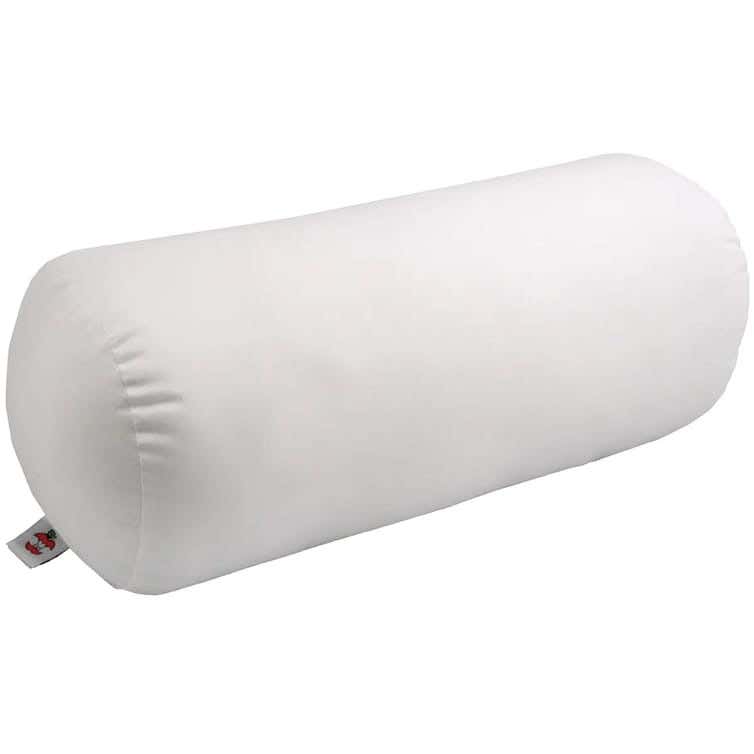
Core Jackson Roll - Round Bolster-Style Fiber Support Pillow
-
ScripHessco NEXT-GEN Cooling Adjustable-Fill Memory Foam Pillow
-
Mid-Core™ Support Pillow - Orthopedic Cervical Support Pillow
For a more detailed view, here is our pillow buying guide for neck and back pain.
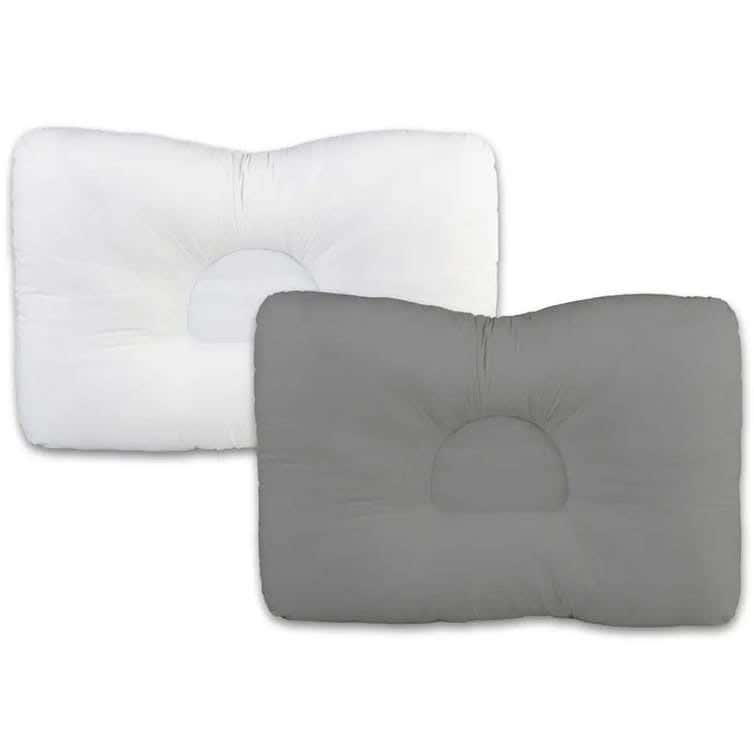
Best Pillow for Headache Relief:
Product Material:
Pillow Cover - Cotton/Polyester
Pillow Filling - 100% Virgin polyester fiber
100% Latex Free
Product Size:
Midsize - 22" x 15" x 4"
Full Size - 24" x 16" x 5"
Product Weight:
Midsize - 2.2 LBS
Full Size - 2.73 LBS
Product Colors:
White
Grey Product
Origin:
Assembled in the USA from Globally Sourced Materials
Pros:
Affordable, top-rated by customers
Cons:
Overuse may lead to more discomfort
The ScripHessco NEXT-GEN Deluxe Neck & Cervical Pillow is a solid purchase that helps back and side sleepers get enough rest. It is affordable and available in two sizes. The only drawback is the temptation to overuse it in the beginning. Customers are encouraged to ease into it for best results.
Best Pillow for Side Sleepers:
Size:
Based on shoulder length - Child less than 4¼ inches, Petite 4¼ to 5¼ inches, Average 5¼ to 6¼ inches, Large 6¼ to 7¼ inches, Extra Large 7¼+ inches
Material:
Foam
Features:
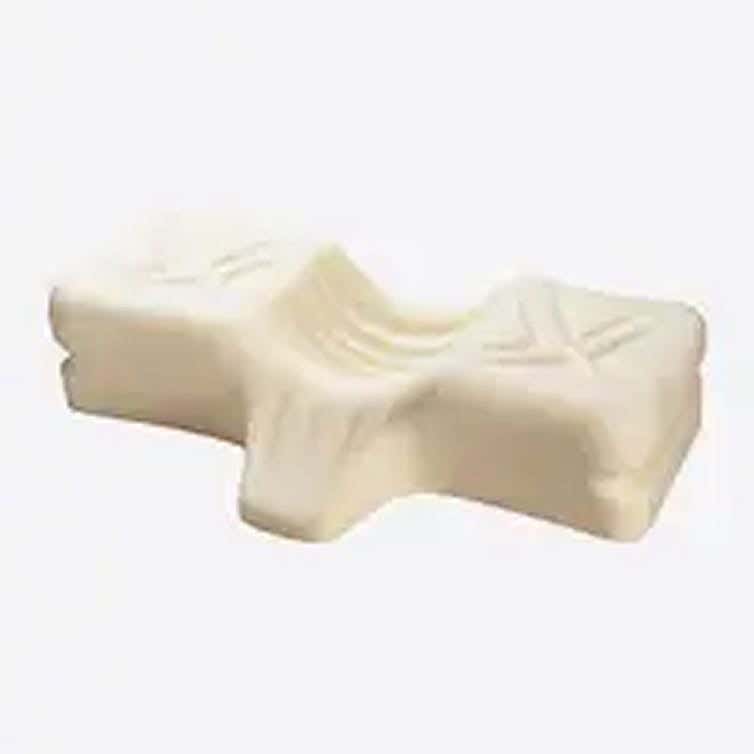
Unique wedge extension supports the back
Cervical contour maintains natural curve of the neck
Raised side sections accommodate shoulders
Contoured head rests keep the head and neck level
Side cavities support the jaw, which is great for TMJ sufferers
Best for:
Back and side sleepers
Additional info:
Pillow is ergonomically designed to help you maintain correct spinal alignment while sleeping
Pros:
Available in a variety of sizes, top-rated by customers
Cons:
Pricier than other pillows, requires measurement for optimal use
The Therapeutica® Foam Support Pillow for Support of Upper Back, Neck & Head is an advanced pillow. It receives high marks from customers who have been using it for at least a decade. For best results, you do have to take a measurement first. Proper sizing ensures that pain will improve rather than intensify.
Best Pillow for Keeping Cool:
Size:
18 inches by 26 inches
Material:
Memory foam waterbase
Features:
High airflow pockets that allow air to circulate through the pillow, which takes heat away from your head
Best for:
All sleepers
Additional info:
Responds to your sleeping position while still supporting your neck and head
Pros:
Adjustable firmness, top-customer rated
Cons:
Requires thorough draining before cleaning. Then, it must be refilled

Best Pillow for Children:
Size:
19 inches by 12 inches
Material:
Fiber-filled
Features:
Smaller than average size, perfect for petites of all ages
Best for:
Back and side sleepers
Additional info:
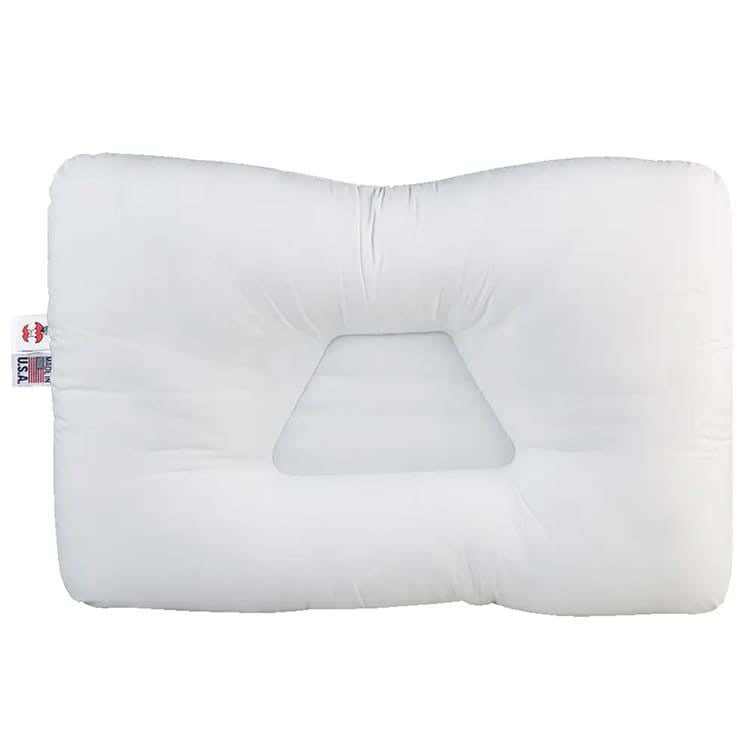
Trapezoid center
Pros:
Top-rated by customers, cradles neck for ultimate comfort and therapeutic effects
Cons:
Firm pillow that is not intended to be used as a soft, comfort pillow
This pillow was designed for children of age 6–10 in mind. Professionals in the pain alleviation industry, though, have found uses for it in their practice thanks to the size.
Best Bolster Pillow:
Size:
17 inches by 7 inches
Material:
Fiber-filled
Features:
Round bolster-style that can be used to watch TV or sleep
Best for:
All sleepers
Additional info:
Can be used for neck support or placed between the knees
Pros:
Top-rated by customers, small enough to travel with, affordable
Cons:
The middle is not as firm as the edges.
This Core Jackson Roll - Round Bolster-Style Fiber Support Pillow can be used for sleeping or leaning on while watching TV. It is so versatile that it can support the head and neck as well as the lumbar.
Best Pillow for Back Sleepers:
Product Material:
Pillow Cover: 90% Polyester / 10% Rayon
Pillow Liner: Baffle Polypropylene
Pillow Fill: Polyester Fiber
Memory Foam Layer:
Polyurethane Foam
100% Latex Free
Product Size:
Pillow Size - 16" x 24"
Memory Foam Layer - 16" x 21" x 1/2"
Product Weight:
2.5 LBS
Product Origin:
Made in the USA
Pros:
A customizable pillow that allows your patient to adjust the fiberfill to match sleep style, and comfort preference.
Cons:
Care requires disassembling pillow before washing

Best Pillow for Neck Pain:
Size:
22 inches by 15 inches
Material:
Fiber-filled
Features:
Exceptional comfort and durability
Best for:
Back and side sleepers
Additional info:
Available in standard and gentle
Pros:
Bounces back after being compressed
Cons:
Some find it too small
The Mid-Core™ Support Pillow - Orthopedic Cervical Support Pillow is considered an upgrade from the standard orthopedic pillow. It is available for children and adults.
Effects of Pain & Sleep
Chronic back and neck pain do not mix well with sleep. Whether you are experiencing that discomfort due to an accident or injury, the effects are lasting. The best way to help your body heal and rest is to sleep. While your doctor may prescribe medicine to give you the opportunity to slumber, there are several pillows that double as aids.
Let's explore some of the effects of pain and sleep.
Less Sleep
If you are experiencing pain while you are trying to sleep, you are less likely to sleep through the night. Those who have shoulder pain, for example, may wake up when they roll onto the shoulder in question. It is also uncomfortable for those who are experiencing back and neck pain. The discomfort can also be unpleasant for your spine. Aside from medication prescribed to you by your doctor, there are other things you can do to aid your sleep. Finding the right pillow can help immensely.
Types of Pillows for Neck and Back Pain
There are several pillow options designed specifically to alleviate pain while sleeping. They include:
-
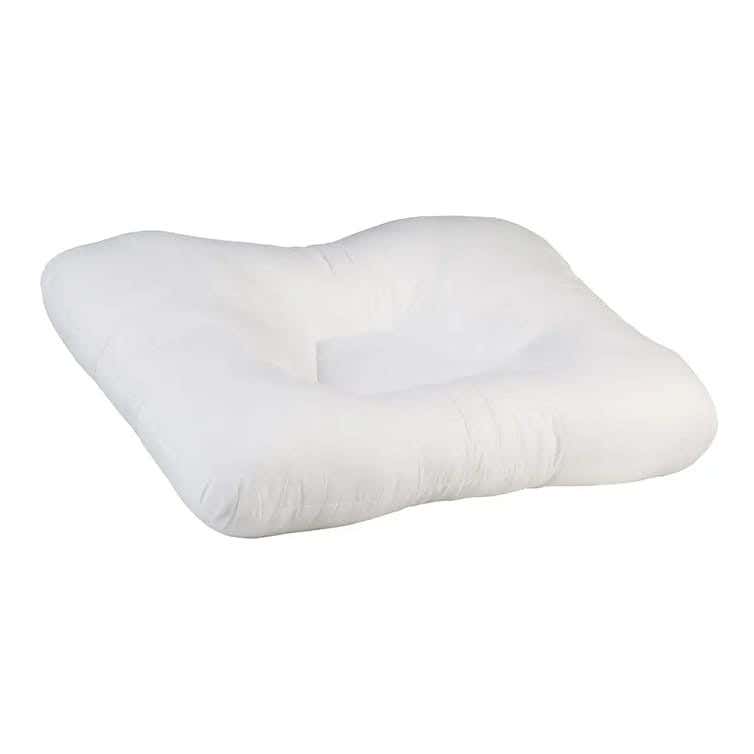
D-shaped centers
-
Wedges
-
Lofts
-
Rolls
These pillows are made from fiber, waterbased or memory foam. They are shaped in a manner that supports your neck, back and spine. The goal is to prevent you from rolling onto your injury. A memory foam pillow is great if you want your pillow to adjust to you rather than you to it. Your sleeping position is important for several reasons. If you are a stomach sleeper and you have a neck injury, you may not be able to sleep on your stomach until you get better. So, a pillow that has lifted sides allows you to slightly roll onto your side while cradling your neck.
Back sleepers have an advantage because they tend to roll around less while sleeping. Pillows that have centers are a great option. It is almost like you sink into the pillow while the other components support your neck and shoulders. Cervical pillows offer ergonomic benefits. Plus, they help you improve your posture while you are sleeping. Since an ergonomic pillow forces you to sleep in a good position, tension in your muscles and neck is actually relieved. As a bonus, professionals believe that it helps increase blood flow to the head.
Those who are side sleepers require a pillow that provides extra support for the neck. Larger pillows are recommended.
Pillow Positioning
The reason why you might wake up with a stiff neck or other discomfort is because your pillow is too stiff or too high. The neck, therefore, remains flexed. To wake up with a neck that feels good in the morning, your spine has to remain straight even if you sleep on your back, stomach or side. One way to accomplish this is by finding a pillow that is higher under your neck than your head.
If you have neck pain due to something other than having slept at an odd angle, pillow positioning is important. The pillow should reach all the way under your shoulder blades. It is not enough for it to be under your neck.
Dealing With Pain
There are several alternative ways to deal with pain that do not involve medication. Acupuncture, massage and rest are some. Light exercise is another. If you couple yoga for pain with a solid pillow for your sleep style, do not be surprised if you feel more rested over time.
Dealing with pain may be as easy as finding the right pillow.