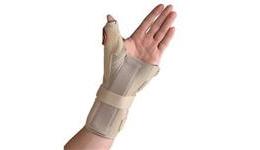
Orthopedic Supplies - Support Belts, Braces, Wraps & Compression

Orthopedic supplies are essential in the treatment of muscle and skeletal disorders, conditions, and injuries. Used in both clinical and at-home settings, a myriad of orthotics in endless combinations of sizes, shapes, and styles have been designed for the correction and support of most body parts. We proudly offer a full selection of therapeutic tape and elastic bandages, positioning pillows and cushions, supports, splints, sleeves, and braces for lower and upper extremities as well as the neck, head, shoulders, back, and spine. To guarantee the lowest prices, buy orthopedic supplies, orthotics, and compression therapy products online at Scriphessco.com. For convenience and added savings, set up routine shipping with our Autoship program.

FREQUENTLY ASKED QUESTIONS


Which products are considered orthopedic supplies?

Orthopedic supplies can refer to a wide range of back, abdominal, and limb supports. They also include tapes, bandages, and compression products. Rib belts, lumbosacral, maternity, or industrial supports are categorized as back and abdominal supports. Lower extremity supports include ankle and calf supports, knee braces, and walking casts. Heel inserts and orthopedic shoes also fall in this category. Upper extremity supports are cervical collars, elbow and wrist supports, hand braces, and dental guards. All these supplies and accessories assist with orthopedic therapy procedures.

What is orthopedic rehabilitation?

Orthopedic rehabilitation helps correct limitations within the musculoskeletal system and is utilized to relieve pain from surgery, illness, or trauma to muscles, bones, and joints. It can also be effective for injured ligaments, tendons, and cartilage. Orthopedic rehab is recommended as a therapeutic approach for conditions like arthritis and osteoporosis and other conditions like carpal tunnel syndrome, broken bones, hip replacement, and even stroke.

With orthopedic rehabilitation, there is no one-size-fits-all. It depends greatly on the condition, abilities, and goals of every patient. It includes physical therapy, orthopedic accessories, plus general and specialized occupational therapy. The rehabilitation team can consist of physical therapists, doctors, nurses, and other specialists. They all work together to better the patient's physical abilities.

What is the difference between orthopedic therapy and physical therapy?

Physical therapy restores the strength, mobility, and flexibility of the body with a treatment plan consisting primarily of stretching, strengthening, and occupational exercises. The plan will gradually increase in difficulty until the desired goal is accomplished. Physical therapists are educated in anatomy and exercise sciences but are not medical doctors.

Orthopedic medicine is the practice of caring for the musculoskeletal system including bones, muscles, joints, ligaments, and tendons by a licensed physician. Orthopedic therapy will often utilize physical therapy as a part of a larger plan which may include medical imaging and possibly surgical intervention for issues like chronic foot, ankle, back and wrist pain, as well as broken bones, herniated discs, and scoliosis.

In both instances, orthopedic supports and compression garments are effective recovery aids commonly used in both practices.

What are must-have supplies for orthopedic therapy?

Orthopedic physical therapists often recommend certain support and compression products as part of a comprehensive treatment plan. With a wide range of products available for each body part, a specific list of must-haves is difficult to curate, however, planning for the most commonly treated injuries and ailments is a good place to start.

We recommend maintaining a supply of the basics in each major orthopedic support category including adjustable ankle braces and wraps, elastic knee sleeves, wrist supports, arm slings, cervical collars, and kinesiology tape; as well as back supports, or lumbosacral supports, ranging from basic support belts to medical-grade back braces for scoliosis patients. Some back supports have pockets for inserting ice or hot packs and others have built-in compression panels. For your convenience, Scriphessco.com offers a full inventory of orthopedic wraps, braces, and supports categorized by anatomical parts and desired therapy.

What is compression therapy?

You may have seen athletes wearing compression wraps and sleeves for added support during practices or games, or people suffering from conditions like diabetes or obesity wearing compression socks for extended periods of standing or sitting. The role of these compression products is to provide added support for healing or strained muscles and joints as well as to treat venous and lymphatic diseases like deep vein thrombosis or varices. Compression therapy also helps with wound healing and prevents blood clots after surgery. For compression therapy to work, clinicians prescribe a specific level of wrapping or compression. They also give out a schedule for wearing the compression garments and devices. This therapy is most effective when combined with regular physical activity.

What are the benefits of orthopedic supports?

Orthopedic supports help ease pain and reduce swelling and inflammation by reducing pressure on the affected joint and protecting it. They also correct the position of a certain body part while healing from trauma or injury. Keep in mind that orthopedic supports are medical devices and should only be worn as prescribed by doctors and orthopedic physical therapists. The most common injuries requiring orthopedic support are sprains, fractures, and pulled muscles.

Autoship Subscription Icon Today

Save

  • Set your schedule
  • Change or cancel anytime
  • Enjoy convenience